How Fistball Works
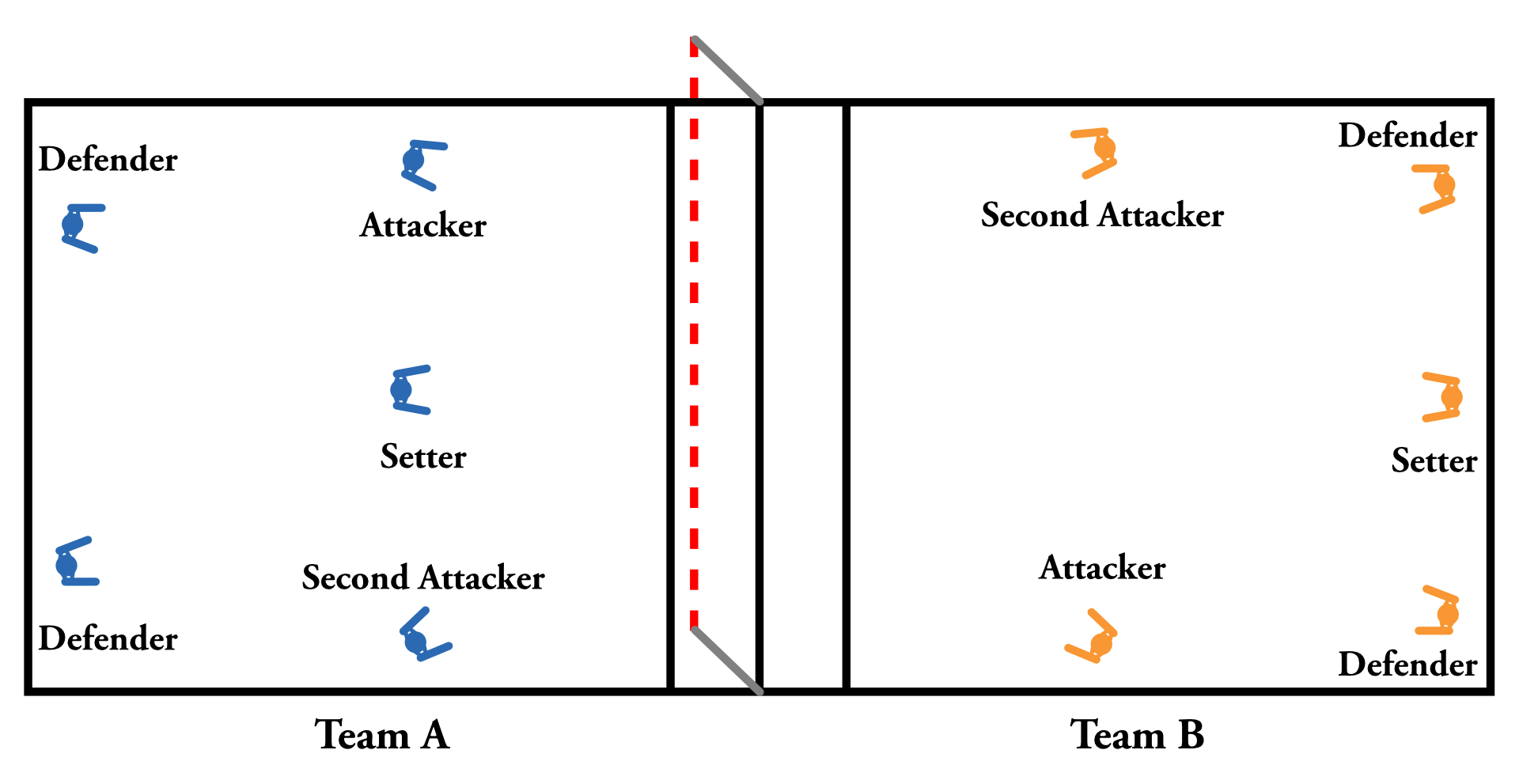
Fistball is played between two teams of five players on a field divided by a net. The objective is simple: work together to return the ball over the net and prevent your opponents from doing the same.
Each team is allowed up to three touches before returning the ball, with players using their arm or clenched fist to strike it. Unlike volleyball, the ball may bounce once between each touch, creating a distinctive style of play that rewards positioning, teamwork, and tactical decision-making.
The combination of powerful strikes, athletic movement, and strategic teamwork makes fistball easy to understand while offering plenty of depth for players at every level.
What Makes It UniqueFistball Is Different
At first glance, fistball may look similar to volleyball, but a few key differences create a completely different style of play.
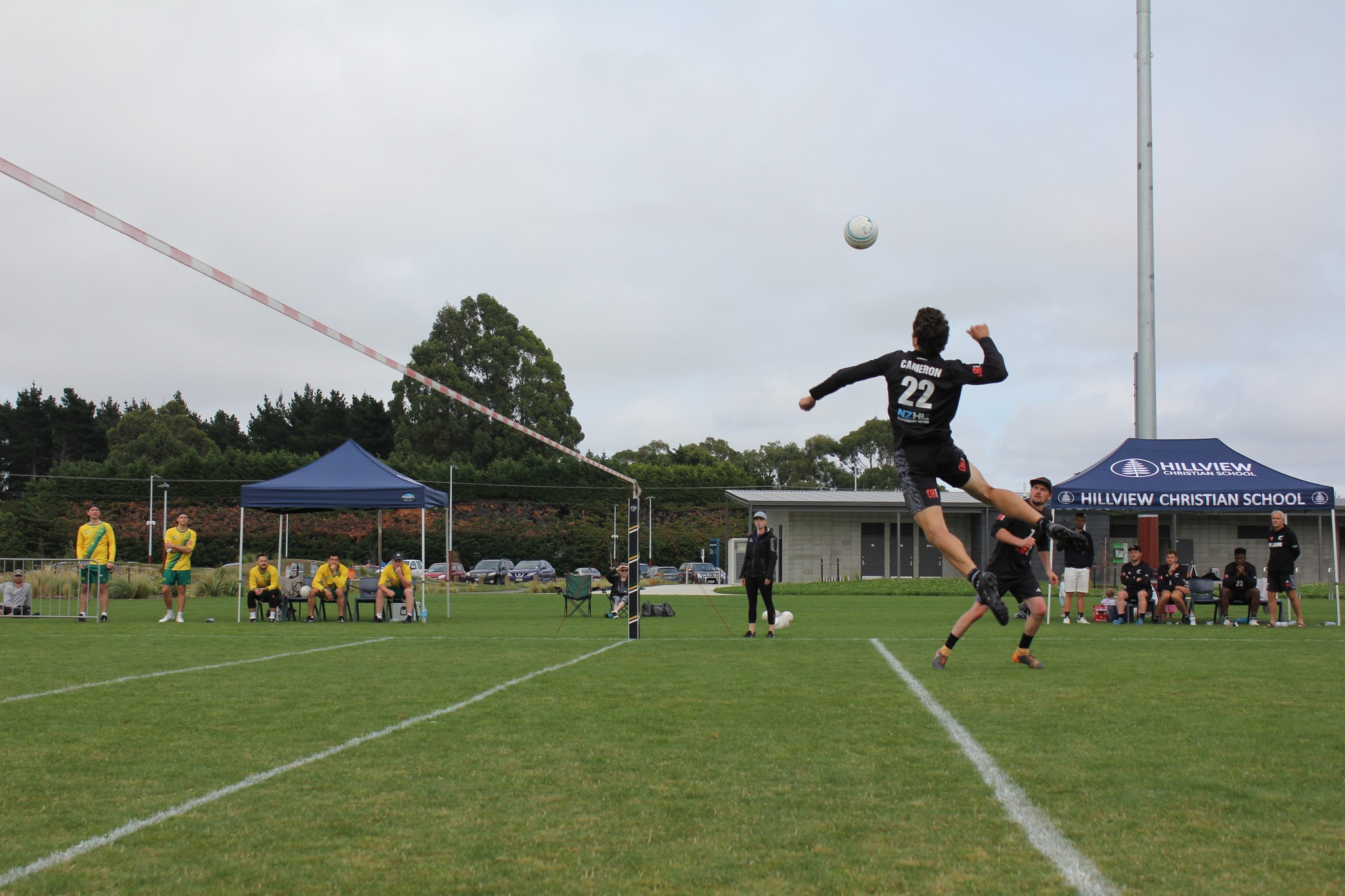
The most distinctive feature is the bounce. Players may allow the ball to bounce once between contacts, opening up the field and creating more time for positioning, teamwork, and tactical decision-making. Reading the bounce quickly becomes one of the most important skills in the game.
Fistball is typically played on a larger field, encouraging powerful attacking play, athletic defensive movement, and long, exciting rallies. Teams must constantly balance aggression with precision, using space and angles to create scoring opportunities.
The result is a sport that combines speed, strategy, athleticism, and teamwork in a way that is uniquely its own.
| Feature | Fistball | Volleyball |
| Players | 5 per team | 6 per team |
| Touches | Up to 3 per possession | Up to 3 per possession |
| Bounce | One bounce allowed | No bounce allowed |
| Field | 50m × 20m | 18m × 9m |
| Contact | One arm or clenched fist | Any part of the body |
| Set Length | 11 points | 25 points |
International SportPlayed Worldwide
Fistball has a rich international history and is played competitively across Europe, South America, Africa, Asia, and Oceania. The sport continues to grow globally, bringing together players from diverse cultures through a shared passion for competition and teamwork.
International events include continental championships, World Championships, youth tournaments, club competitions, and The World Games, where many of the world’s top athletes compete.
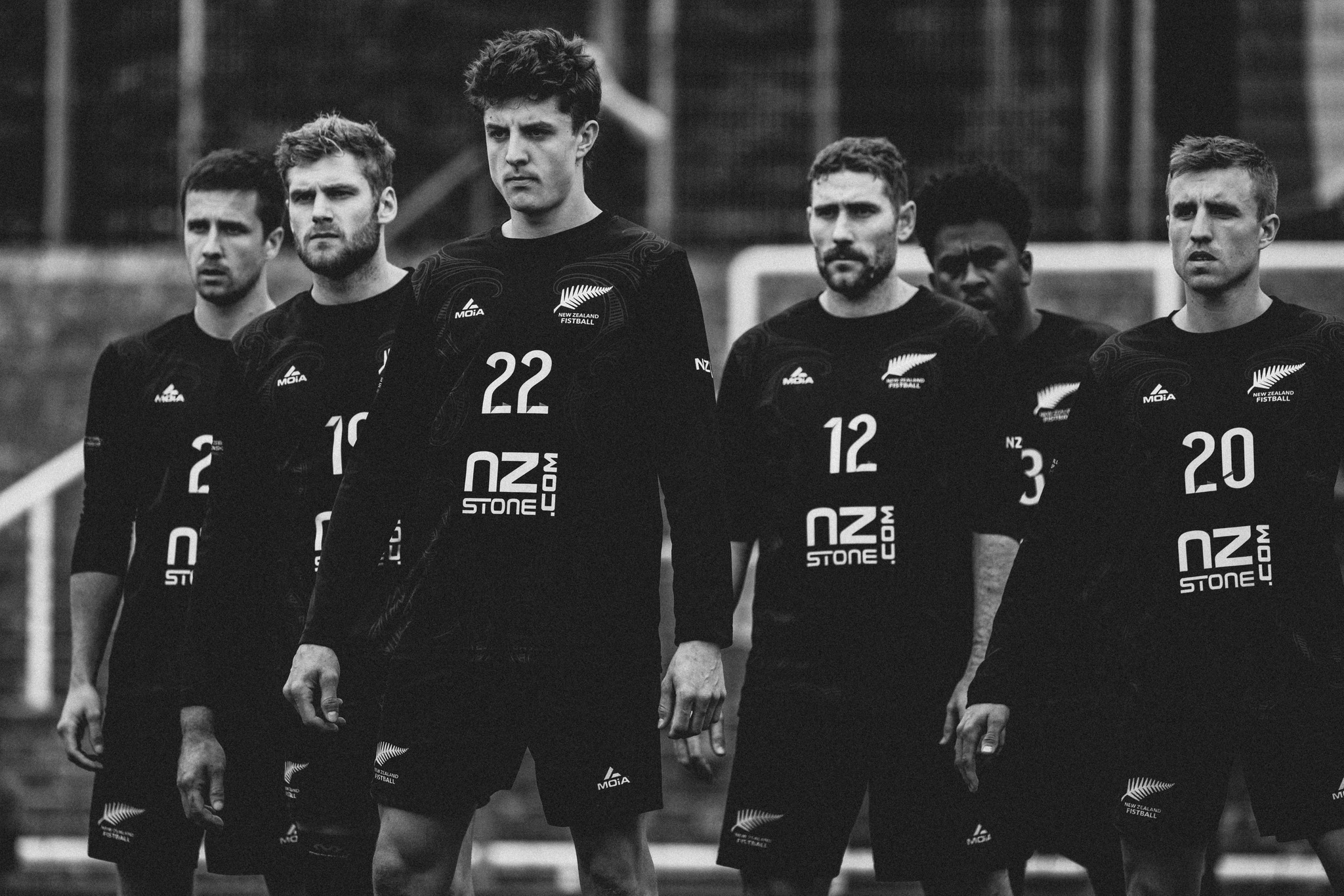
New Zealand is an active member of the international fistball community, regularly participating in regional and international events. These connections provide valuable opportunities for players to experience different playing styles, build friendships, and represent New Zealand on the world stage.
For many players, the chance to travel, compete internationally, and be part of a global sporting community is one of the most rewarding aspects of the game.